Timor-Leste's Organic Highlands Present Untapped Opportunities for New Zealand and International Investors
A firsthand account of the investment potential in Timor-Leste’s coffee, spices and naturally grown agricultural products.
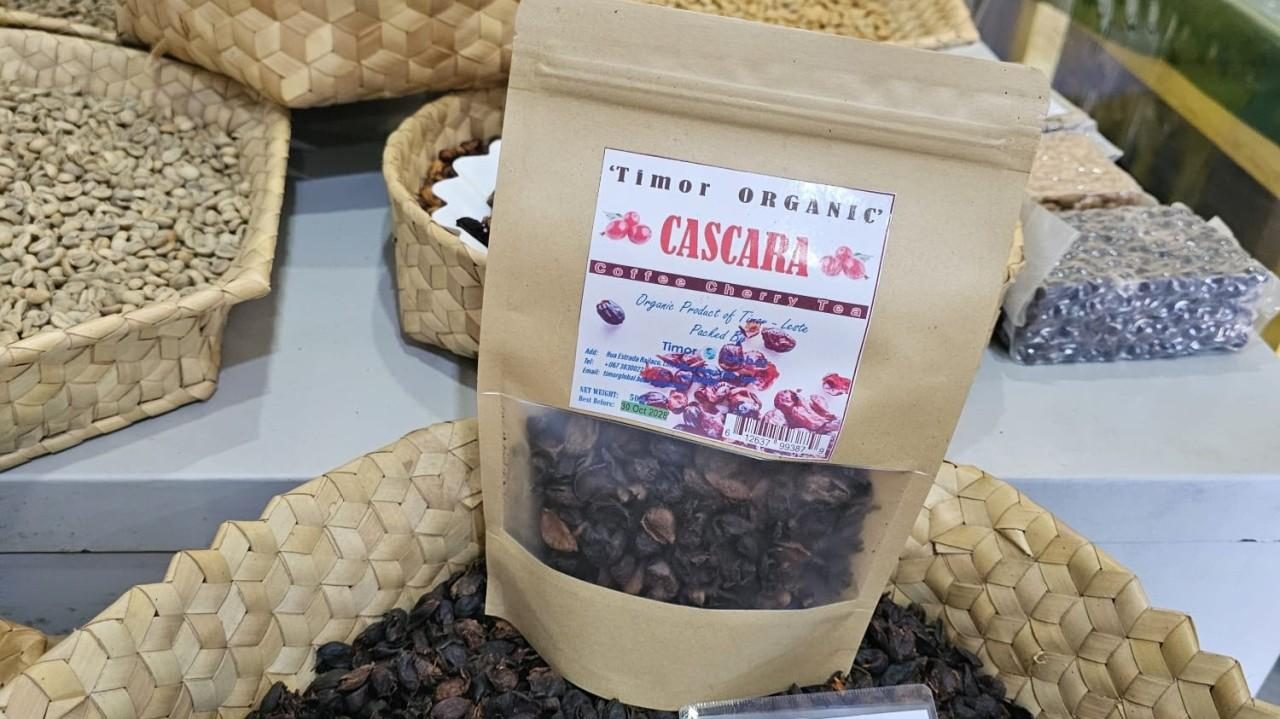
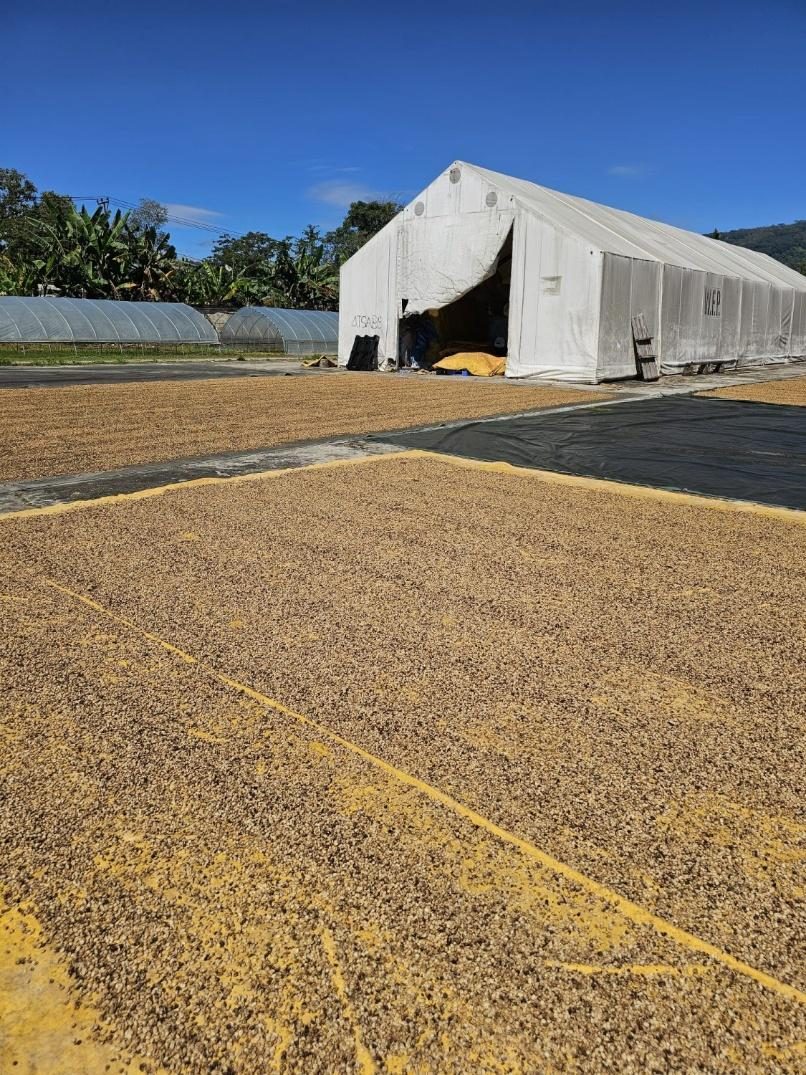
I spent today on the ground in Timor-Leste visiting coffee plantations and meeting with local business leaders, including Bobby Lay of Timor Global, to better understand the opportunities emerging from the country’s agricultural sector.
What I saw was not simply coffee production.
What I saw was a largely untapped organic agricultural industry with significant potential for export markets, strategic partnerships and long-term investment.
Coffee is only part of the story
Much has been written about Timor-Leste’s coffee industry. The country produces high quality Arabica coffee in the highland regions, grown by thousands of smallholder farmers at altitude and in fertile volcanic soils. The coffee itself is well known among specialty buyers and continues to attract international interest.
However, coffee is only part of the story.
During my visit with Timor Global, I was able to see firsthand the broader agricultural potential that exists throughout the country. In addition to coffee, farmers are producing turmeric, ginger, black pepper and a range of other agricultural products, much of it grown naturally in jungle environments with minimal chemical intervention.
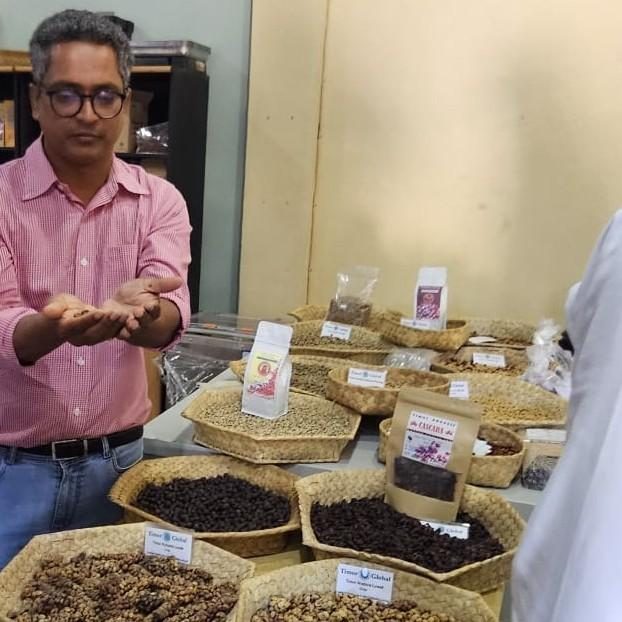
One of the most striking features is the largely organic nature of production. Many crops are grown in natural conditions with little or no pesticide use, creating opportunities for premium positioning in international markets that increasingly value sustainability, traceability and naturally grown products.
As global consumers become more focused on food quality and environmental responsibility, Timor-Leste may possess advantages that are often overlooked.
Opportunities beyond agriculture
The opportunity extends beyond agriculture alone. There is potential for investment in processing facilities, packaging, branding, logistics, export development, quality assurance systems and international distribution networks. Rather than exporting raw products alone, Timor-Leste has the potential to develop higher value-added industries that retain greater economic benefits within the country.
For New Zealand businesses, there may be opportunities to contribute expertise in agribusiness, food technology, quality control, export systems and international market development.
As Honorary Consul for Timor-Leste in New Zealand, I am interested in exploring practical commercial partnerships that can benefit both Timor-Leste producers and overseas investors.
Through my office, I welcome discussions with importers, distributors, specialty coffee operators, organic food businesses, agribusiness investors and companies interested in sustainable supply chain opportunities.
Timor-Leste remains one of the least explored commercial environments in our region. While challenges remain, those challenges are often accompanied by opportunities for businesses prepared to take a long-term view and build genuine local relationships.
After spending time on the ground, visiting plantations and meeting directly with businesses such as Timor Global, I believe the potential deserves greater attention.
The story is not simply about coffee.
It is about organic agriculture, sustainable production, rural development and creating meaningful partnerships between Timor-Leste and international markets.
The opportunity exists. The challenge now is to connect the right producers with the right partners.